Bachelor’s degree program
Bachelor of Science (B.Sc.) in Naturopathic Sciences
- 4 years
- 8 semesters
- 240 ECTS
- Hybrid learning

An academic bridge between traditional knowledge and modern research — home of the Department of Naturopathy and the Bachelor of Science in Naturopathic Sciences.
ATAFOM University aims to create an academic bridge between traditional knowledge and modern research, develop research capacity in Naturopathic Sciences, support the sustainable use of natural and biological resources, contribute to the preservation of traditional knowledge and encourage the scientific and technical evaluation of new naturopathic technologies.
The faculty develops Naturopathic Sciences not merely as an educational field that transmits traditional practices, but as a contemporary academic discipline that investigates traditional knowledge, examines natural resources, evaluates scientific evidence, critically analyses technological developments, develops new research and supports sustainability.
While respecting the historical and cultural value of traditional knowledge, the faculty places fundamental importance on students’ ability to understand the differences between traditional use, theoretical assumptions, technological claims, observational findings and scientific evidence.
Naturopathy is a holistic approach to health that supports the body’s self-healing capacity through natural methods. It is a system of complementary medicine that does not reject the diagnostic and treatment methods of modern medicine, but views itself as complementary to them. Its origins date back to Hippocrates, and it is based on the view that living in harmony with nature is the foundation of health.
The department follows an evidence-informed approach: it does not consider any traditional or experimental approach to be scientifically proven solely because it is taught within the programme.
Nature heals
Vis Medicatrix Naturae
The body has the power to heal itself; naturopathy supports this process.
Identify the cause
Tolle Causam
Not only symptoms, but also the underlying causes of disease are considered.
Do no harm
Primum Non Nocere
Natural methods with the lowest possible risk.
The doctor as teacher
Docere
Educating individuals and raising their awareness of their own health.
A holistic approach
A human being is a whole, encompassing physical, mental, emotional and spiritual dimensions.
Two distinct educational pathways — an academic bachelor’s degree and professional training courses.
Bachelor’s degree program
Professional education
In preparation — applications not yet open

Vice Rector & Dean Faculty of Medicine

Deputy Dean of the Faculty of Medicine and Director of the Department of Naturopathy
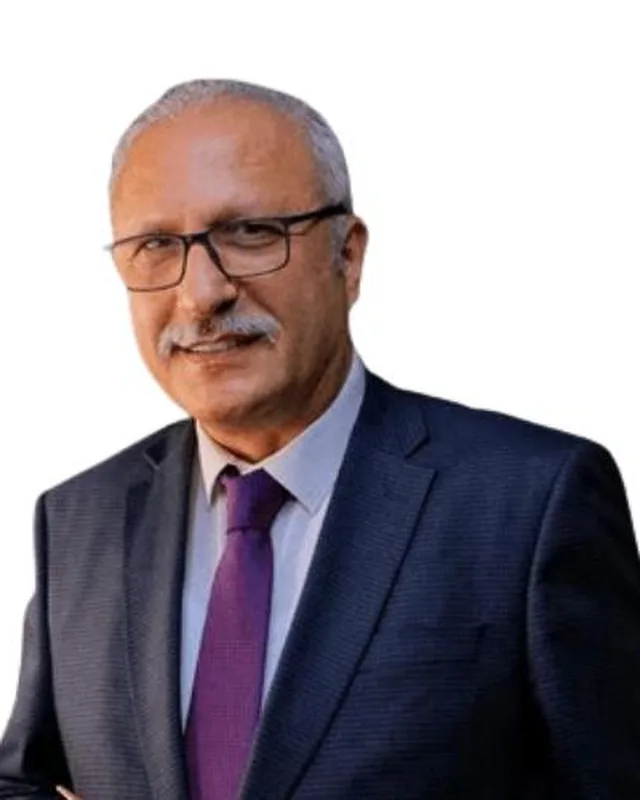
Director of the Department of Botanical Sciences and Applied Technologies in Naturopathy and Professor of Naturopathy
Academic English proficiency is compulsory. The target level is ALA B2, so that students can read international scientific literature, understand English terminology, follow scientific research, prepare academic texts and engage in international academic communication.
The programme is delivered through a Hybrid Learning model. Theoretical courses, academic seminars, scientific literature studies, research methodology, project work and other suitable academic activities may be delivered online or in person. The Naturopathic Technology Laboratory, device and equipment training, practical work, field projects and other activities requiring physical attendance are delivered in person or within an appropriately structured hybrid learning framework.
Students’ academic achievement may be measured through written examinations, academic assignments, reviews of scientific articles, project work, research reports, laboratory work, practical work, presentations, portfolios, a research project, a bachelor’s thesis and a thesis defence. The assessment method is determined in accordance with the learning outcomes of the relevant course.
The programme’s academic quality assurance system encompasses regular curriculum evaluation, incorporation of developments in the scientific literature into the programme, monitoring of student learning outcomes, evaluation of teaching quality and updating of the programme in line with developments in technology and research.
Research is part of every year of study: students learn to design scientific research, critically appraise scientific literature, analyse the quality of evidence and apply research ethics, and complete a Naturopathic Research Project and a Bachelor Thesis with an academic defence.
Research projects, publications and collaborations of the faculty are in development and will be presented here once confirmed.
The programmes of the Faculty of Medicine are in preparation. Entry requirements, required documents, fees and dates will be published here before applications open.
Academic English at ALA B2 level is a compulsory part of the bachelor’s program.
Please send us your enquiry — we will inform you as soon as applications open.
In preparation — applications not yet open
How to applyThe Bachelor of Science in Naturopathic Sciences is an academic undergraduate degree. Delivery of the programme within the Faculty of Medicine does not confer medical doctor status or a Doctor of Medicine degree on graduates. The diploma alone cannot be interpreted as granting the right to use the title of medical doctor, to use the title Naturopathic Doctor or ND, to diagnose diseases, to provide medical treatment, to prescribe prescription medicines or to practise a protected health profession in any country.
Where naturopathy, acupuncture, phytotherapy or another health-related activity is legally regulated in a country, graduates must additionally fulfil that country’s requirements for registration, examinations, professional training, licensing or other authorisation.
The Bachelor of Science in Naturopathic Sciences diploma certifies that the graduate has completed a four-year undergraduate education in Naturopathic Sciences carrying 240 ECTS credits. The diploma may be used to apply for master’s and other postgraduate programmes, provided that the relevant admission and recognition requirements are met. Acceptance of the diploma by another university or country is not automatic. Academic recognition, admission, credit evaluation and entry to postgraduate education are subject to the rules of the relevant university and country.
To obtain the Bachelor of Science in Naturopathic Sciences degree, students must successfully complete the eight-semester programme, earn a total of 240 ECTS credits, successfully complete the programme’s compulsory academic and practical components, meet the required ALA B2 English proficiency standard, complete the Naturopathic Research Project, prepare a Bachelor Thesis and successfully complete the Bachelor Thesis Presentation and Defense.
Academic English proficiency is compulsory. The target level is ALA B2, so that students can read international scientific literature, understand English terminology, follow scientific research, prepare academic texts and engage in international academic communication.
The programme is delivered through a Hybrid Learning model. Theoretical courses, academic seminars, scientific literature studies, research methodology, project work and other suitable academic activities may be delivered online or in person. The Naturopathic Technology Laboratory, device and equipment training, practical work, field projects and other activities requiring physical attendance are delivered in person or within an appropriately structured hybrid learning framework.
The Bachelor of Science in Naturopathic Sciences is a four-year academic degree with 240 ECTS. The Naturopathy Training Courses are professional education programmes with their own award; they do not lead to the bachelor’s degree.